
Key Takeaways
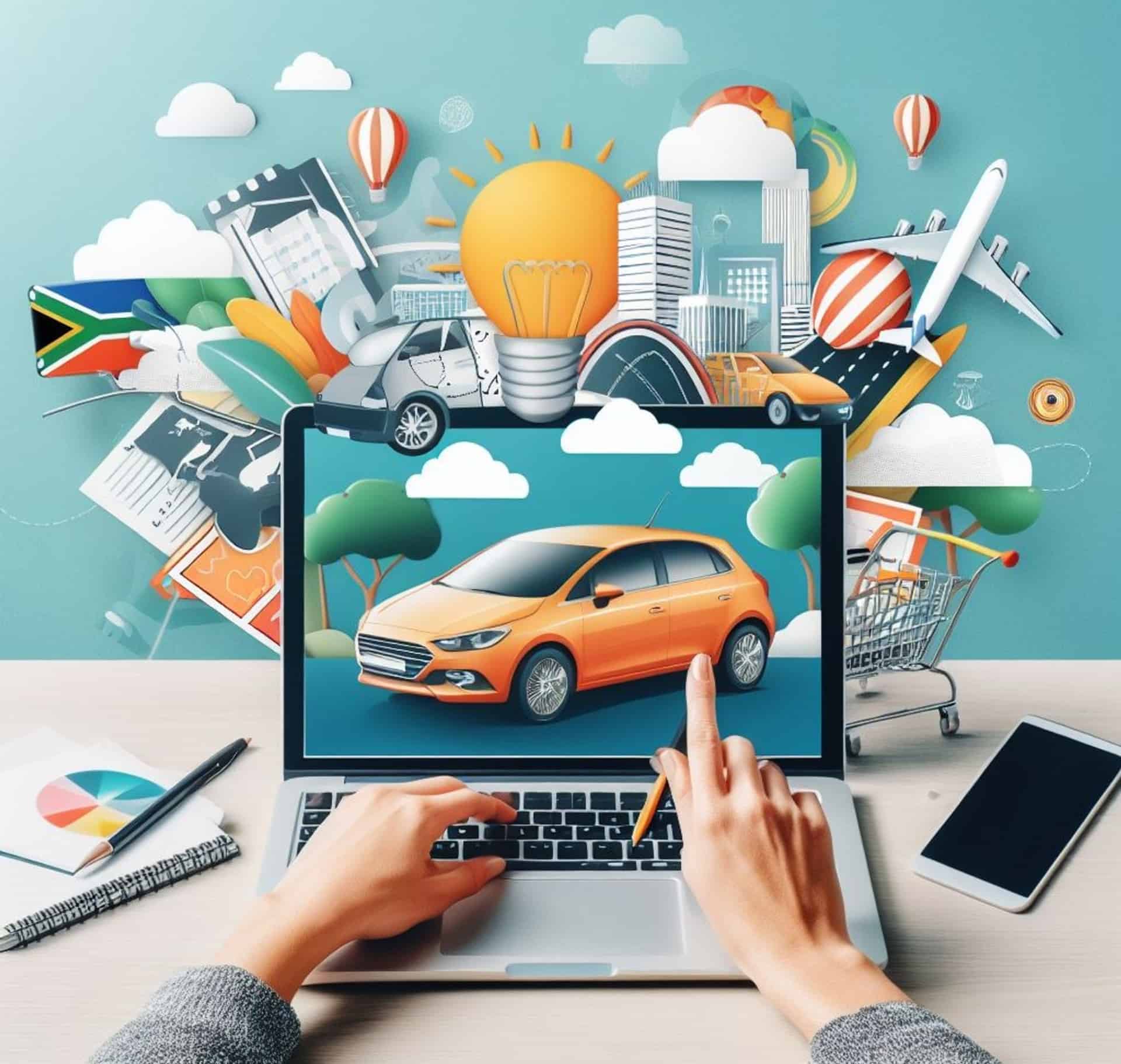
- Discover Cars offers the best rates on South Africa car rentals by comparing both international and local companies. Their Full Coverage policy provides peace of mind when driving.
- You must be 18+ with a valid driver’s license to rent a car in South Africa, but additional fees often apply for drivers under 25.
- An International Driving Permit (IDP) is highly recommended.
- South African car rental insurance is mandatory. Many companies include basic insurance but you’ll want to add comprehensive coverage.
- Book ahead of time and reserve your car rental at the airport when you land. Pick-up and drop-off are much easier this way.
- Major car rental companies in South Africa include Avis, Budget, Europcar, Hertz, Thrifty, First and many local companies.
- Driving in South Africa is on the left side of the road. Be very cautious, especially around large trucks on highways.
- Opt for an SUV or 4×4 car rental in South Africa if you plan to go on safari or drive on gravel roads.
Planning to rent a car for your upcoming South Africa adventure? Explore this comprehensive car rental guide tailored for South Africa, providing you with all the essential information for a seamless experience.
Drawing on my extensive experience driving across South Africa over the years, I’m here to unravel the intricacies of the car rental process in the country. Since 2012, I’ve navigated South African roads countless times and have also handled rentals in various European countries. This wealth of experience equips me to guide you through the nuances of renting a vehicle.
By the time you finish reading this article, you’ll be well-informed and confident in booking your South Africa car rental, comprehending insurance details, and mastering the art of driving on the left side of the road. Let’s embark on this journey!
Renting a Car in South Africa FAQ
Is It Safe to Rent a Car in South Africa?
The short answer is yes, renting a car in South Africa is generally very safe, especially if you stick to the major cities and highways.
South Africa has an extensive network of well-maintained roads that connect most destinations you’ll want to visit. Opting for a rental car allows you to explore at your own pace.
However, there are a few precautions to take when driving in South Africa:
- Avoid driving at night in rural areas or townships. Stick to main roads.
- Keep car doors locked and windows rolled up, especially in urban areas.
- Don’t leave any valuables visible in the car.
- Make sure you have adequate insurance coverage.
- Get an automatic car with anti-lock brakes and traction control.
- Print out emergency numbers to carry with you.
- Let someone know your route if you are driving long distances.
As long as you take basic safety precautions, renting a car is one of the best ways to experience South Africa’s stunning landscapes, wildlife and coastal scenery.
How Old Do You Have to Be to Rent a Car in South Africa?
The minimum age to rent a car in South Africa without restrictions is 23 years old at most companies. This applies to both local and international travelers.
Some agencies will rent to younger drivers, usually ages 21-22, but charge an Underage Surcharge that can be $20-30 extra per day.
There are a select few South African car rental companies that will rent to 18+ year olds. However, you’ll pay even higher young driver fees, plus likely have mileage restrictions.
To avoid the underage rental car charges in South Africa, your best bet is to wait until you are 23+ to rent a car.
Can You Rent a Car in South Africa With a US License?
Yes, U.S. citizens can definitely rent a car in South Africa with an American driver’s license.
South Africa recognizes foreign licenses from many countries, including the United States, Canada, UK, Australia, and the EU.
As long as your U.S. license has your photo and is written in English characters, you’re good to legally drive a rental car.
Some South African rental agencies will want to see you have held your license for 1-3 years minimum. And it goes without saying, but make sure your license will stay valid for the full rental duration.
While not required, I’d highly recommend getting an International Driving Permit (IDP) to carry along with your U.S. license. An IDP translates your license into several languages, which further validates you’re certified to drive in South Africa.
Do I Need an International Driving Permit for South Africa?
An International Driving Permit (IDP) is not mandatory, but highly recommended when renting a car in South Africa with a foreign license.
An IDP is essentially your driver’s license translated into multiple languages, including Afrikaans. It proves to traffic police and rental car agencies that your overseas license is legit.
You can easily apply for an IDP online through AAA or CAA before your trip. It only costs $20 USD and arrives within a few weeks.
Bring both your valid U.S. license and IDP when you pick up your South Africa rental car. While the IDP itself doesn’t grant driving privileges, it adds a nice layer of reassurance.
My advice? Get an International Driver’s Permit for South Africa to make the overall rental process smoother.
Where to Rent a Car in South Africa
The major international airports offer the widest selection of South Africa car rental companies and vehicles:
- Cape Town Airport (CPT) – Convenient for exploring the Western Cape region.
- Johannesburg Airport (JNB) – Best if you’re starting a pan-South Africa road trip.
- Durban Airport (DUR) – Easy access to KwaZulu-Natal province on the east coast.
- Kruger Mpumalanga Airport (KMI) – Easy access to the Kruger National Park for your safari. There are other airports near Kruger National Park as well where you can rent a car.
You can also rent cars from downtown branches in cities like Cape Town, Johannesburg, Durban, Port Elizabeth, East London and Bloemfontein.
Just know the airport locations tend to be larger with more vehicle choices. Plus you skip having to take a shuttle or Uber from the airport into the city.
No matter your arrival airport or destination, you’ll have plenty of car rental options across South Africa. The major agencies have offices countrywide.
Key Benefits of Renting a Car in South Africa
Renting a car in South Africa offers overseas tourists independence, flexibility and convenience during their trip. Here are the main benefits of renting a car:
- Freedom to Explore: With a rental car, you can explore South Africa at your own pace. Go off the beaten path, take spontaneous trips, and visit multiple destinations. Public transport can be limiting.
- Convenience: No waiting for buses or trains. With a rental car, you can come and go as you please. Saving valuable time.
- Accessibility: A rental car allows you to reach remote game reserves, scenic viewpoints, and other attractions not easily accessible by public transport.
- Comfort: Rental cars provide climate control and ample space for luggage. Long road trips are easier and more enjoyable.
- Cost Savings: For extended trips, having your own wheels is often cheaper than relying on taxis, tours, and public transport. Giving you the freedom to split costs with travel companions.
Renting a car will enable you to:
- Stop as much as you want to fully take in the stunning scenery along the Garden Route, Drakensberg mountains and beyond.
- Venture off the beaten path to explore small towns, coastal viewpoints and remote lodges at your own schedule.
- Access Kruger National Park and other game reserves for self-guided safari drives.
- Avoid relying on infrequent public transportation or potentially expensive private transfers.
- Travel across South Africa’s provinces at your own pace. Slow down to soak it all in or drive farther to see more.
- Pullover anytime inspiration strikes to capture photos of South Africa’s diverse landscapes and abundant wildlife.
Clearly, renting a car unlocks exciting possibilities. With some preparation, renting a car can greatly enhance your South African experience.
Disadvantages & Considerations of Renting a Car
However, there are some potential drawbacks of renting a car that should be considered:
- Cost – Rental fees, insurance, fuel costs, and tolls all add up. For short trips, other transport options may be cheaper.
- Driving on the Left – In South Africa, vehicles drive on the left side of the road which can take some adjustment for tourists used to driving on the right.
- Long Distances – South Africa is a large country so be aware of the distances needed to travel between destinations. Road trip fatigue is real.
- Confusing Roads – Navigating the maze of streets in cities and dealing with unofficial signage in rural areas can be challenging.
- Safety Concerns – Crime and road accidents are risks. Take safety precautions like avoiding driving at night.
By planning ahead, accounting for costs, and taking safety measures, tourists can mitigate the downsides of renting a car in South Africa. The freedom and flexibility outweigh the disadvantages for most travellers.
Booking Your South Africa Rental Car
For the easiest experience, book your South Africa rental car well in advance online. Search sites like DiscoverCars, RentalCars.com and AutoEurope allow you to compare rates across companies.
Airport locations offer the most convenience, vehicles and pick-up/drop-off efficiency. Pick up your car right after your flight lands.
Booking ahead also guarantees you get the car size you want. Availability becomes limited during peak visitor months.
South Africa Car Rental Requirements
To ensure a smooth pick-up process, tourists renting a car in South Africa should have all the required paperwork ready. Here are the key documents needed:
- Valid driver’s license – Most international licenses are accepted if they have English characters. Some companies require you to have held your license for 1+ years.
- International Driving Permit (IDP) – Not mandatory but highly recommended to carry along with your foreign license.
- Credit or debit card – For the security deposit hold. Many locations only accept Visa and MasterCard.
- Minimum age – You must be 23+ to rent a car without restrictions or added fees.
- South African car rental insurance – This is required by law. Confirm what’s included with the rental company.
As long as you meet these requirements, you’ll breeze through the South Africa car rental process.
Double-check that your driver’s license won’t expire during the car rental period. Some companies require you to have a valid license for the entire duration of the rental.
Advance preparation with all required paperwork helps tourists avoid issues picking up their rental car. Always verify documentation requirements with the individual rental company during booking.
Choosing the Right Car Rental Company
The biggest international car rental brands with locations across South Africa include:
- Avis – Known for their customer service and loyalty program for repeat customers.
- Budget – Part of the same parent company as Avis. Offers affordable rates.
- Hertz – World’s largest overall rental car company. Wide range of vehicles available.
- Europcar – European brand with a big presence in South Africa and safari-ready 4×4’s.
- Sixt – Popular German company expanding across Africa. Modern fleet of vehicles.
- Thrifty – Focus is on value and low cost rentals. No frills but good prices.
There are also many local South African car rental agencies to consider like:
- First Car Rental – One of the cheapest options for South Africa.
- Tempest Car Hire – Rents older but well-maintained vehicles. Known for good customer service.
- Around About Cars – Specializes in renting older model Toyota’s and Volkswagen’s.
- Auto Pedigree – Family-owned company operating in Durban and Johannesburg.
For peace of mind, look for rental companies rated 8/10 or higher by previous customers. Avoid the cheapest options with poor reviews.
Local companies often have lower daily rates than international brands. Just read recent reviews and make sure they meet your requirements.
No matter which South Africa rental car company you go with, the most important thing is having adequate insurance protection. Never skimp on coverage to save a few dollars.
Choosing Where to Rent Your Car in South Africa
Renting at the Airport
The easiest and most convenient place to rent a car is right at the airport when you arrive in South Africa.
All major airports, like Cape Town International Airport and Johannesburg’s OR Tambo International Airport, have numerous car rental agencies located within the airport itself.
You can simply pick up your rental car right after landing, load up your luggage, and be on your way. No need to take extra transportation into the city centre.
Renting in the City
If you don’t want to rent right at the airport, you can also pick up a rental car from an agency located right in the city.
In Cape Town, good rental car companies include First Car Rental, Drive South Africa, and Budget Car Rental Cape Town.
In Johannesburg, you’ll find major companies like Avis, Hertz, Europcar, and Tempest Car Hire.
No matter which city you’re starting your South Africa road trip in, you’ll have plenty of rental car options. Just compare rates across a few companies to find the best deal.
The Cost of Renting a Car in South Africa
Car rental prices in South Africa are quite reasonable compared to other destinations. You can often find rates starting around $20 USD per day for a standard sedan.
Here are some factors that affect the final cost:
- Rental car company
- Type of vehicle
- Time of year
- Length of rental
- Insurance options
- Mileage limits
- Return location
Rental prices tend to be cheapest when you:
- Rent for longer periods of time
- Rent during the off-season months
- Opt for unlimited mileage
- Return to the same location
I always recommend comparing rates across rental companies to make sure you get the best deal. Use comparison sites like DiscoverCars.com to quickly see prices across multiple providers.
Rental Car Insurance & Waivers
One complex area for tourists renting a car in South Africa is interpreting the rental insurance and waiver options. Here is a breakdown of what they mean:
- Personal Insurance – Check if your credit card or travel insurance policy from home covers rental cars abroad. If so, basic liability may be included.
- Collision Damage Waiver (CDW) – This waives your liability for damage to the rental car. However, you are still responsible for theft, tires, windshields, undercarriage, etc. Read the fine print.
- Theft Protection – Covers loss of the vehicle due to theft. This is not included in the CDW. Usually an extra daily charge. Recommended in South Africa.
- Personal Accident Insurance (PAI) – Provides medical coverage for you and your passengers if injured in an accident with the rental car. Extra cost per day.
- Roadside Assistance – Covers breakdown call-outs for issues like flat tires, dead batteries, keys locked in the car, etc. Gives peace of mind.
- Excess Insurance – An additional policy to cover your liability for the excess payment if CDW doesn’t fully cover an incident. Can be pricey.
Understanding what is and isn’t included takes diligence to avoid being stuck paying for damages or loss. Many tourists feel safest paying extra for full coverage via the rental company to eliminate surprises. Just be sure to factor these costs into your rental budget.
By law, you must have valid insurance coverage to drive in South Africa. Rental agencies are mandated to provide basic insurance with all rentals. But this likely won’t be enough protection.
Most car rental companies include:
- Basic Liability Coverage: Covers 3rd party injury/damage if an accident is your fault. But doesn’t cover the rental vehicle itself.
- Collision Damage Waiver (CDW): Provides limited coverage for damage to the rental car. But has a deductible of R/N$5000+ if you cause an accident.
Basic legal insurance leaves you wide open to large out-of-pocket costs. That’s why I recommend adding the rental company’s Super or Full Cover insurance policy for complete peace of mind:
- Eliminates your financial liability for the rental car. No deductible if it’s damaged or stolen.
- Much cheaper than paying for repairs/replacement yourself. Usually R150-R300 ($10-$20 USD) extra per day.
Yes, the Super Cover insurance adds to your total rental car price. But it offers protection from the huge losses you could incur if you get into an accident or incident. For a stress-free trip, it’s worth paying a little more upfront for this added coverage.
You also have the option to purchase standalone Car Hire Excess Insurance from third-party providers like iCarHireInsurance or CarSure. These policies are meant to cover your deductible and other portions standard insurance leaves out.
No matter which route you choose, ensure you have adequate car rental insurance coverage for South Africa. Don’t risk financial ruin by trying to save a few dollars skimping on protection.
What Type of Car to Rent
Most rental cars in South Africa are sedans and hatchbacks from companies like Toyota, Volkswagen, Nissan, and Hyundai.
4x4s like the Toyota Fortuner are also very common rentals for those planning safari visits or driving more rugged terrain.
Automatic vs Manual Transmission
When renting a car in South Africa, one key choice is whether to opt for an automatic or manual transmission vehicle. Here is a quick comparison of the pros and cons for tourists:
Automatic Transmission
- Easier – No clutch pedal and simpler driving makes an automatic ideal if you have only driven automatics at home.
- Common – Most rental cars in South Africa are automatics, so easier to find a suitable option.
- Convenient – Automatic is less tiring for long drives on vacations and road trips.
- Cost – Automatics may have a small surcharge, but provide convenience.
Manual Transmission
- Control – Gives you more control over gear shifts and speed, especially on hills or mud.
- Efficiency – Manuals typically have better fuel economy. Can save on petrol costs.
- Availability – More manual options so easier to find specific car models or upgrades.
- Price – Renting a manual is generally cheaper per day than renting an equivalent automatic.
For most overseas tourists unfamiliar with driving on the left side of the road, an automatic transmission simplifies the rental experience in South Africa. Just be sure to reserve one in advance since automatics book out quicker. With proper caution, manuals are doable too.
2WD vs 4WD Vehicles
While 2WD vehicles are fine for most paved roads, a 4×4 rental car is recommended if you plan to go off-road or visit any national parks or game reserves.
The roads in some safari lodges can only be accessed by 4WD, so keep that in mind if a safari is part of your South Africa itinerary. I personally recommend renting an SUV for the Kruger National Park since it gives you added flexibility to drive where you want, comfort during game drives and a better game-viewing experience.
For driving the straightforward highways and around the cities, a 2WD sedan will likely suffice to save you money.
Rental Car Options – Hatchback, Sedan, SUV and 4×4’s
South African rental companies offer a range of passenger vehicles to meet diverse tourist needs. Here is an overview of popular rental car options:
- Economy Hatchback – Chevrolet Spark, Toyota Aygo. Ideal for 1-2 people. Most affordable option. Low clearance.
- Compact Sedan – Toyota Corolla, Volkswagen Polo. Reasonable trunk space. Comfortable for 2-3 people. Basic features.
- Standard Sedan – Toyota Camry, VW Jetta. More passenger and luggage room. Better for longer distances.
- Premium Sedan – Mercedes, BMW, Audi. Luxury features like leather seats, sunroofs, power everything. Most expensive.
- Compact SUV – Toyota RAV4, Nissan Juke. Higher seating position, extra space. Good ground clearance for rougher roads.
- Full-Size SUV – Toyota Fortuner, Ford Everest. Seats 5-7 passengers. Ideal for families. Heavy fuel consumption.
- 4WD Rugged SUV – Toyota Land Cruiser, Jeep Wrangler. For off-road conditions and game reserve safaris. Scarce availability.
When selecting a rental car, match the vehicle’s capabilities to your itinerary. Sedans and hatchbacks suffice for most tourist needs. Only get a 4×4 if you are confident driving off-tarmac and require the clearance. Book popular SUVs well in advance.
Pick Up and Return Process in South Africa
Understanding the standard pick-up and return procedures for rental cars helps minimize hassles for tourists exploring South Africa:
Pick Up Process
- Have required documents ready for inspection
- Review rental agreement carefully before signing
- Inspect vehicle interior and exterior for damage; report any visible issues
- Confirm booked extras like GPS and child seats are present
- Review operating instructions for lights, wipers, parking brake
- Refueling options – return full or pay upfront for rental company to refill
- Test drive nearby to ensure car is operating properly
Return Process
- Refuel the car if you did not pre-pay for a full tank
- Remove all personal items and trash from the vehicle
- Clean up any significant interior stains or dirt
- Return at designated time to avoid late fees
- Review the car with rental agents for new damage
- Keep rental agreement handy in case of any disputes
- Request a copy of the return checklist documenting the vehicle condition
- Allow time to settle any remaining fees or deposits
By knowing what to expect at pick-up and drop-off, car rental for tourists in South Africa goes more smoothly. Just budget extra time in case of waiting lines or delays inspecting the vehicle.
Documentation Required for Picking Up Your Rental Car
To ensure a smooth pick-up process, tourists renting a car in South Africa should have all the required paperwork ready. Here are the key documents needed:
- Valid Driver’s License – An international driving permit (IDP) along with your license from home is recommended. Some agencies mandate an IDP.
- Passport – Carrying your passport is required as proof of identification when renting.
- Credit Card – Present the card used to book the rental for payment. Debit cards usually not accepted.
- Voucher – Bring your car rental voucher, either printed or on your phone. This has your booking details.
- Flight Itinerary – Provide your flight dates as additional ID and proof of duration in the country.
- Extra Drivers – Any additional drivers must be present at pick-up and provide their valid licenses and passports. Inform rental company in advance.
- Phone Number – Have a working local phone number for the rental company to contact you if needed. Get a local SIM card after arrival.
- Proof of Return Travel – Some agencies require documentation showing your flight out of South Africa or other proof you are not staying permanently.
Advance preparation with all required paperwork helps tourists avoid issues picking up their rental car. Always verify documentation requirements with the individual rental company during booking.
Driving Laws in South Africa
Before getting behind the wheel, familiarize yourself with South Africa’s driving laws so you don’t unknowingly incur any fines.
Speed Limits
- 120 km/h (75mph) on highways
- 100 km/h (60mph) on major roads
- 60 km/h (37mph) in urban areas
Speed limits drop to 40 km/h in residential districts and 20 km/h in school zones during certain hours.
Always be on the lookout for speed limit signs, as the limits can change quickly. Speeding cameras are prevalent throughout the country.
Seat Belts
Seat belt use is mandatory for all passengers when driving in South Africa. Uber drivers will not start the car until everyone is buckled up.
Mobile Phone Usage
It is illegal to use your mobile phone while driving in South Africa unless it is fully hands-free. You cannot hold your phone or text while behind the wheel.
Drinking and Driving
South Africa has a legal blood alcohol limit of 0.05% when driving. There are heavy penalties for drunk driving, so never ever drink and drive in South Africa.
South Africa Car Rental Tips
Car Rental Tips
Follow these tips for a smooth and stress-free car rental experience in South Africa:
- Reserve your car in advance – Book online ahead of arrival to ensure availability and the best rates. Last-minute walk-ins could lead to fewer choices and higher prices.
- Pick up at the airport – Airport rental locations offer the most convenience and efficiency. You can retrieve your car right after landing.
- Return with a full tank – Most agencies require bringing back the car with a full tank of gas to avoid hefty refuelling fees.
- Inspect for damage – Do a thorough walkaround at pickup and dropoff, noting all dents, scratches, chips etc. This protects you from unfair damage claims.
- Verify insurance coverage – Double-check exactly what coverage options you’re selecting. Get the super cover/full cover for maximum protection.
- Request a newer model – Ideally an automatic sedan or SUV with less than 50,000 km. These tend to be in better shape and have safety features like ABS and traction control.
- Watch for hidden fees – Read the fine print to avoid surprises like airport surcharges, young driver fees and one-way rental penalties.
- Pay tolls in advance – Many highways in South Africa have tolls that will be charged to your card. Consider buying an e-toll pack from the rental company.
- Extend if needed – It’s much easier to extend an existing reservation than returning late or starting over with a new booking.
Tips to Save Money on Car Rental
Advance planning and smart booking can help overseas tourists secure excellent rental car rates in South Africa. Follow these tips:
- Book Early – Reserve at least 2-3 months in advance for the lowest prices and best selection. Last-minute bookings have limited choices.
- Compare Rental Companies – Use comparison sites like RentalCars.com to find the best deals across major agencies like Avis, Hertz, Europcar. Local companies can have cheap options too.
- Consider Car Size – Opt for a compact sedan or hatchback to save money, unless you need an SUV or 4×4 for rugged conditions.
- Look for Discounts – Memberships, coupon codes and promotional deals can lower rental costs substantially. Check airline frequent flyer programs too.
- Avoid Airport Locations – Although airports tend to have the most options, they are not always the cheapest to rent at. Downtown or off-airport rental locations often have cheaper rates than airport branches. Factor in transportation costs.
- Check for Fees – Understand charges like liability insurance, collision damage waiver, etc. to avoid surprise costs at pick up.
- Reserve Extras Upfront – Adding GPS devices, car seats, etc. is cheaper when pre-booked online versus at the rental counter.
With some savvy booking techniques, car rental in South Africa can be cost-effective. Just be sure to read the fine print to avoid hidden charges down the road.
Driving Tips
To stay safe and avoid issues with authorities, tourists renting a car in South Africa must understand the local driving laws and road conditions. Key driving tips include:
- Drive on the LEFT side of the road – the opposite of North America and mainland Europe. Needs full concentration until accustomed to it.
- Carry an IDP and valid license with you when driving.
- Get an automatic transmission car. Shifting with your left-hand takes time to master.
- Pass others on the right. Allow faster drivers to pass you.
- Speed limits are 100 km/h on rural highways and 60 km/h in urban areas.
- Watch out for minibus taxis, which stop frequently and make quick turns.
- Adhere to traffic signals – running red lights risks fines and accidents in busy intersections.
- Be vigilant for pedestrians – many walk along roadways, especially at night. Look out for them.
- Use extra caution when driving at night, especially in game parks. Look out for animals on the roads. Try to avoid night time driving.
- Get a rental car with GPS navigation. Cell service is spotty in many rural regions.
- Plan enough fuel stops – long distances between petrol stations, especially in rural areas. Keep tank at least half full.
- Always keep your doors locked and don’t leave any valuables in the car.
- Park in supervised lots when possible. Don’t leave anything visible in the vehicle.
- Print out emergency numbers for roadside assistance, police etc.
By staying alert and taking things slowly, especially in the beginning, you’ll quickly get the hang of driving on the left in South Africa.
Safety Tips
While South Africa has high rates of crime relative to many countries, exercising basic precautions will minimize any risks on the road.
Hazards on the Road
Watch out for pedestrians walking along the shoulder, especially at night. Also keep an eye out for animals like baboons, monkeys, antelope and cows.
Take Extra Care at Night
Avoid driving after dark whenever possible in South Africa. This is when most accidents and crime occur.
If you must drive at night, stick to well-lit major roads and highways. Keep your doors locked and windows up when stopped.
Beware of Car Theft
Carjackings do occur in South Africa, particularly in isolated areas. Always lock your car and keep valuables out of sight. Park in secure garages when possible.
Never leave anything visible in the car to avoid enticing smash-and-grab thefts. Take all belongings with you or store them in the trunk, even for quick stops.
What to Do if You Get a Flat Tire
If you get a flat tire while driving, turn on your hazard lights but remain inside the car with doors locked. Call your rental company or roadside assistance.
Do not change the tire yourself or exit the vehicle. Wait safely inside for help, especially if it’s dark out.
Don’t Pick Up Hitchhikers
While you may want to lend a helping hand, avoid picking up hitchhikers while driving in South Africa for your own safety. Rather call emergency services if you see someone needing medical help on the road.
Parking Your Rental Car
When parking in public places, secure attended parking is recommended whenever possible. Car guards monitor many parking lots for a small fee.
Use covered garages at shopping malls, hotels, and restaurants to keep your car out of sight. If street parking, choose well-lit spots.
Never leave any belongings in view. Take wallets, phones, bags, and other valuables with you rather than leaving them in the car.
Getting Around in Your Rental Car in South Africa
Road Conditions in South Africa
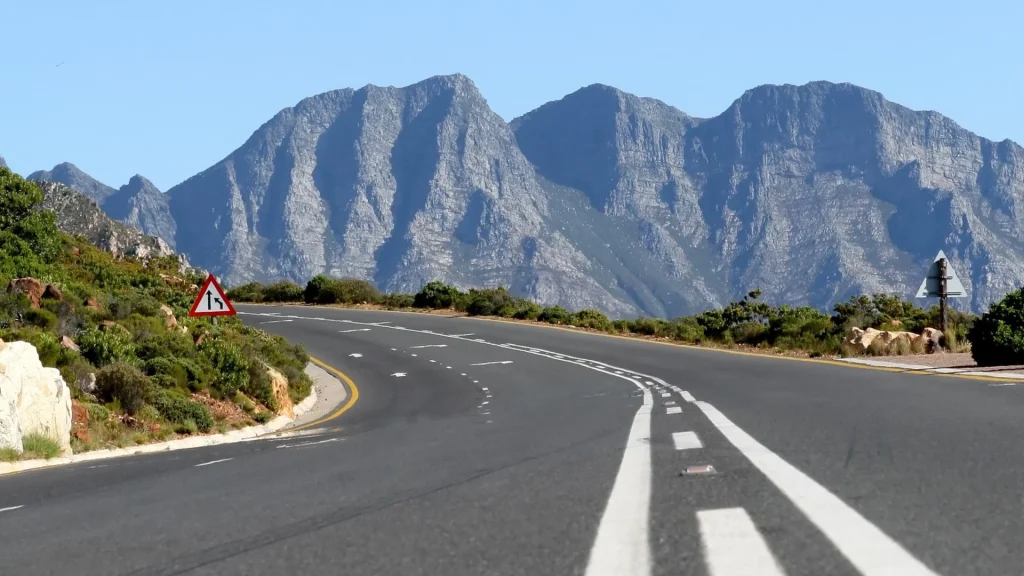
The road infrastructure in South Africa is very good, especially on major highways and in the big cities.
The roads along the coast from Cape Town to Port Elizabeth tend to be wide, smooth and well-maintained. There are two to three lanes in each direction.
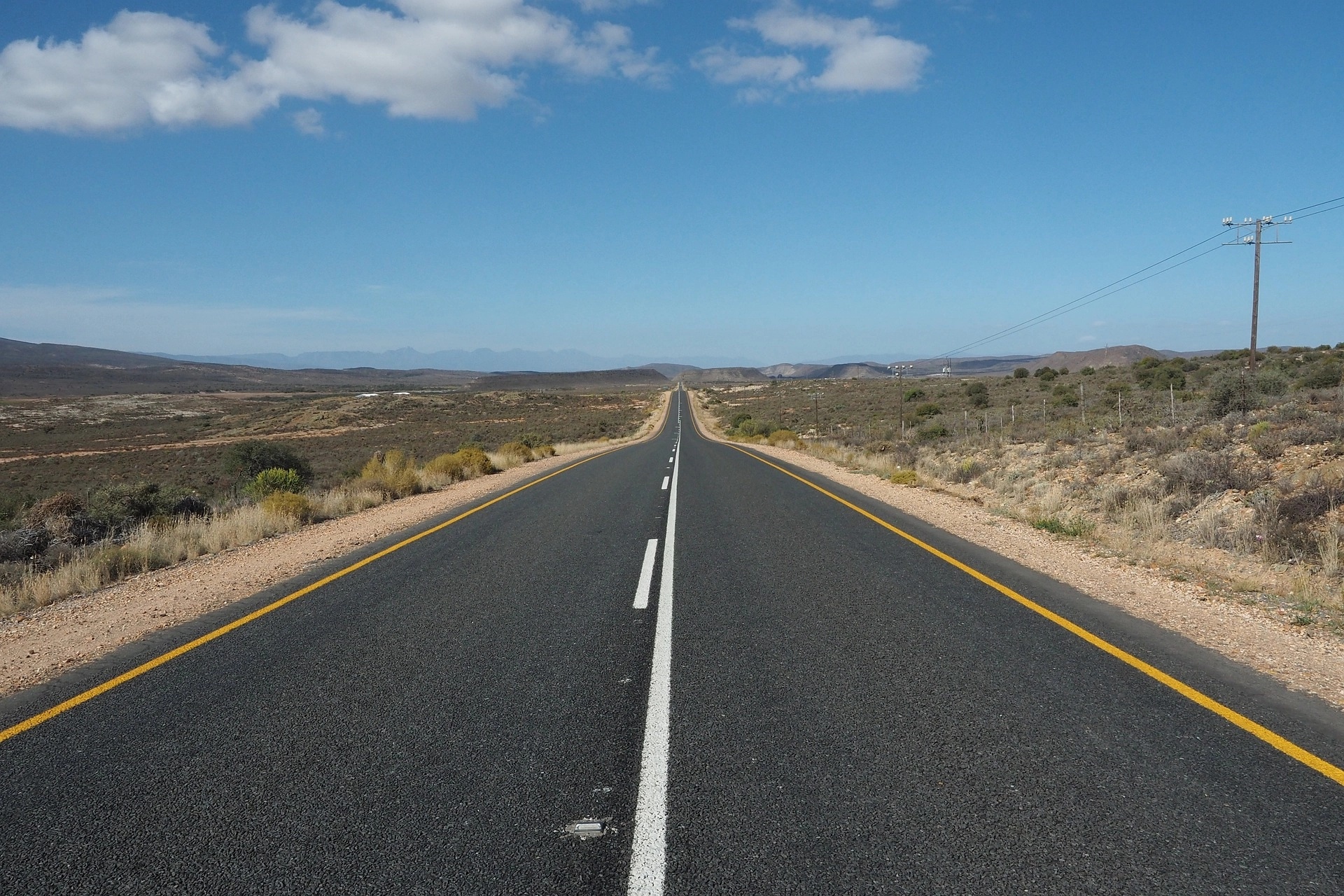
Inland roads and rural areas may only have one lane in each direction. While paved, they are more prone to potholes. Gravel roads are common in very remote regions.
Always obey speed limits, buckle up, and avoid distracted driving to account for less-than-ideal road conditions at times. Exercise extra caution when driving at night.
Navigating in South Africa
A GPS is recommended for navigating in South Africa. Rental car companies typically offer in-car GPS rentals for around $10-15 USD per day.
Offline maps are highly recommended in rural areas or anywhere you may lose cell signal. I like using apps like Maps.me that allow you to download maps in advance.
In cities like Cape Town, Google Maps works very reliably. Just be sure to download the maps ahead of time on WiFi.
Road signage is very good throughout the country, with signs in English. Place names may also be labelled in Afrikaans.
Crossing Borders With Your Rental Car
Most South African rental car companies allow driving to neighbouring countries like:
- Botswana
- Eswatini
- Lesotho
- Mozambique
- Namibia
- Zimbabwe (Victoria Falls only)
Just inform them upfront of your trip plans. You’ll need to purchase a Cross Border Letter from the rental agency granting permission, which costs around $100-150 USD.
Note that insurance coverage may be limited or suspended outside of South Africa. Many agencies prohibit rentals on gravel or dirt roads across borders.
Carefully review the rental terms and upgrade to a 4×4 vehicle if your trip will involve rough roads or game park driving outside of South Africa.
Getting Gas for Your Rental Car
South Africa has attendants who pump petrol for you. Do not get out of the car – the attendant will come to your window for payment.
Tipping R10-20 ($1) is customary for the service. Making sure your tank is topped up before long drives are important, as stations may be scarce in rural areas.
Fuel Costs
Fuel prices in South Africa are quite reasonable, averaging around $4.85 USD per gallon. You can check the latest fuel price on the AA‘s website (and no that’s not the AA you’re thinking of).
You pay for your petrol at the time of fill up, either in cash or by card. Just make sure your rental car has a full tank before embarking on long drives so you don’t get stranded!
Driving Etiquette in South Africa
South African drivers are generally courteous, but there are some unique etiquette rules to know:
- Flash your hazards to say thanks when other cars let you in
- Allow cars to pass on single-lane roads by driving onto the shoulder or yellow lane. Exercise caution when doing this, because there are often stationary vehicles, people and cyclists using the yellow lane.
- Honking is only appropriate for urgent safety needs – ignore minibus taxis that honk
- At intersections like stop streets and roundabouts, cede to the car on your right if you arrive simultaneously
Tolls and Toll Roads
South Africa has an extensive system of toll roads known as the e-Toll system around Gauteng province. Your rental car will likely have an electronic detector so you don’t have to stop at toll booths.
If not, make sure you carry cash like Rand coins to pay at toll booths along your route. There are hefty fees for nonpayment if cameras catch you driving through without paying.
Restricted Mileage on Rentals
Beware of rental agreements with limited included mileage, with steep fees for any extra kilometers driven.
This can really add up over longer distances, so opt for unlimited mileage if possible. Carefully review mileage limits before signing any contract.
For longer rentals, unlimited mileage is usually standard. But double check so you don’t get stuck with a big bill for excess mileage fees.
Driving on the Left Side of the Road
In South Africa, cars drive on the LEFT side of the road. The steering wheel will be on the right side of the car.
This takes some getting used to if you’re from a country that drives on the right. Go slowly, follow other cars, and don’t overtake until you adjust.
Turning across traffic at intersections will feel backwards. Always double check that you are on the left side of the road!
When to Avoid Driving in South Africa
I recommend avoiding driving after dark whenever possible in South Africa. This is when road hazards, crime, and accidents are most likely.
If driving at night is unavoidable, stick to well-lit major highways. Keep doors locked and windows up when stopped. Use extra caution and alertness.
Peak rush hour times around big cities can also mean heavy traffic congestion. Try to avoid driving during the busiest commuter times whenever you can.
Renting a Car in South Africa: City By City Guide
Renting a Car in Cape Town
Cape Town International Airport (CPT) is where you’ll find the most Cape Town car rental options. You can retrieve your rental car right after landing.
All the major agencies like Avis, Budget, Hertz, Europcar and Sixt have airport locations in Cape Town. As well as local companies like Tempest Car Hire and Around About Cars.
Driving in Cape Town itself can be hectic with congested traffic and limited parking in the city center. I’d recommend using Uber or the MyCiti bus to get around if you’re only staying in Cape Town proper.
However, renting a car is great for side trips to Cape Point, the Cape Winelands, Chapman’s Peak Drive, and the Garden Route. Having your own wheels makes exploring the Western Cape region easy and flexible.
Just know that Cape Town car rentals sold online are often quoted without insurance. The cheapest rate you see likely excludes required insurance, which will add $15-30 extra per day.
Always opt for the Super Cover or full damage cover when renting a car in Cape Town. This provides peace of mind if anything happens to the vehicle while exploring the area.
Renting a Car in Johannesburg
As the largest city in South Africa, Johannesburg has plenty of car rental options both at OR Tambo International Airport (JNB) and downtown branches.
Johannesburg serves as a popular starting point for pan-South Africa road trips. Pick up your rental car right at JNB airport after arriving.
Reputable Johannesburg car rental companies include Avis, Budget, Europcar, Hertz and Thrifty. As well as local brands like Tempest, First Car Rental and Around About Cars.
Driving within Johannesburg itself can be stressful due to heavy traffic and higher crime rates in certain neighborhoods. Use ride hailing apps or the Gautrain rail to navigate the city.
But renting a car in Johannesburg gives you easy access to explore beyond the city like the Panorama Route, Kruger Park and the Drakensberg. Having your own wheels makes touring South Africa smooth and flexible.
Renting a Car at Johannesburg Airport
Johannesburg OR Tambo International Airport (JNB) is where you’ll find the widest selection of car rentals for Johannesburg and all of South Africa.
Retrieving your rental car right at JNB airport means:
- Convenience – No need for a shuttle bus or Uber into the city center. Walk straight to the car rental desks when you land.
- Efficiency – Quick and easy car pickup process versus an off-airport location.
- More choices – Airport branches have larger fleets and more vehicle options than city branches.
- Better prices – Airport locations often run promotions and discounts not offered downtown.
When booking your South Africa car rental online, search for Johannesburg airport specifically as your pickup location. This ensures rates include any airport surcharges.
Returning the car is also easier at JNB versus dropping off downtown and having to take a taxi back to the airport. For maximum simplicity, rent and return at Johannesburg airport.
When searching for Johannesburg airport car rentals online, always opt for Super Cover or full insurance coverage. This fully protects you from any financial liability if the car sustains damage while exploring South Africa. Don’t take chances with basic or minimal insurance policies.
Renting a Car in Kruger National Park
Renting a car enables you to self-drive safari in the famous Kruger National Park at your own pace. This allows stopping as much as you want for wildlife viewing.
There are several locations right outside Kruger where you can pick up a rental car:
Skukuza Airport (SZK) – Located inside Kruger itself. Limited availability so book well in advance. Return the car here or at another Kruger camp.
Johannesburg Airport (JNB) – Pick up your car here and drive the 4-5 hours to Kruger along the smooth N4 highway. Dropoff at JNB or another city.
Nelspruit KMIA Airport (MQP) – Small regional airport within 1 hour from Kruger’s southern gates. Easy dropoff in Nelspruit Town.
Look for a 4×4 safari vehicle rental or at least a crossover SUV. You’ll want the higher ground clearance for driving on gravel roads inside Kruger.
At a minimum, get insurance covering damage and theft. But strongly consider the full damage cover to avoid any large out-of-pocket costs in the event of an accident in the bush.
Renting a Car in Durban
King Shaka International Airport (DUR) is where you’ll find the most options for Durban car rentals. As the biggest airport in KwaZulu-Natal, it offers easy pickup right after landing in Durban.
In addition to the international companies, Durban has local brands like Moa Cars, Cheap Motorhome Rental and Auto Pedigree with airport locations.
Uber is the easiest way to navigate Durban City itself. But having your own set of rental car wheels makes accessing attractions like the Drakensberg Mountains, Midlands Meander and Elephant Coast effortless.
Durban features some of South Africa’s busiest highways. Take extra care when merging and watch out for aggressive minibus taxi drivers. Always keep your rental car’s doors locked in urban areas.
Carefully inspect your car at pickup and dropoff in Durban, noting any damages. And opt for comprehensive insurance coverage without an excess for maximum protection on your KwaZulu-Natal travels.
Final Thoughts: Renting a Car in South Africa
Renting a car enables you to fully experience South Africa’s breathtaking natural diversity at your own pace. You have the freedom to go beyond the tourist routes and maximize your time exploring this captivating country.
For the easiest experience:
- Book online in advance with DiscoverCars.com to compare rates across companies
- Pick up your car at the airport when you land
- Add comprehensive insurance coverage for peace of mind
- Take things slowly and stay alert to other drivers
- Avoid driving at night when possible
- Keep your rental car doors locked with no valuables inside
While driving in South Africa requires caution, you’ll quickly adapt to being on the left side of the road. Taking some basic precautions will ensure a safe, enjoyable trip.
Following the tips in this guide will help you select the right rental car company, understand the insurance rules, and be prepared for driving conditions in South Africa.
Have an incredible South Africa road trip! With your own set of wheels, you’ll be able to discover hidden gems and make spontaneous stops to capture memories that will last a lifetime.
South Africa Car Rental FAQs
Is renting a car safe in South Africa?
Yes, renting a car in South Africa is generally safe if you take basic precautions: always lock doors, don’t leave any valuables visible, avoid driving at night, use attended parking, and stick to well-travelled roads. Exercise extra care and alertness.
What side of the road do South Africans drive on?
South Africa drives on the left side of the road, unlike North America and mainland Europe. This takes adjustment for tourists used to right-hand driving. Go slow until you adapt to the new lanes.
How easy is it for foreigners to drive in South Africa?
South Africa drives on the same side as the UK and Australia, so tourists from those regions adapt quicker. Road signage is decent in cities but lacking on rural roads. Overall, driving is feasible with caution. Use a GPS.
How much does it cost to rent a car?
For a standard sedan, expect to pay around $20-30 USD per day. SUVs and 4x4s cost more around $50+ per day. Final price depends on rental duration, mileage, insurance, and other factors.
Are child seats provided with rental cars?
Child seats are very limited. Reserve them when booking or bring your own seat. Double-check the fit when you pick up the car. Most agencies do not allow fitting non-rental car seats.
What side of the road do they drive on in South Africa?
Cars in South Africa drive on the LEFT side of the road, as opposed to the right side in North America and parts of Europe.
What insurance do I need when renting a car?
You are legally required to have liability insurance. For full coverage, add collision/damage and theft insurance too. Consider third-party policies for cheaper rates.
Can I rent a car with US license in South Africa?
Yes, you can rent a car with a valid US driver’s license. An International Driving Permit (IDP) is also required. Your license must have a photo and signature.
How much does it cost to rent a car in South Africa?
Rental car prices in South Africa average around $30-60 USD per day for a standard sedan with full insurance coverage. Rates run cheaper in the summer low season.
What is the best car rental company in South Africa?
Top international rental brands include Avis, Budget, Hertz and Europcar. Reputable local companies are First Car Rental, Around About Cars and Tempest. Compare companies online for the best deals.
What kind of cars are available for rent in South Africa?
You’ll find familiar makes like Toyota, Volkswagen, Nissan and Ford. Models range from small hatchbacks to large 4x4s. Automatic transmission is standard for most rentals.
Is fully comprehensive insurance necessary on South Africa car rentals?
Yes, it’s highly recommended to reduce your liability in case of any loss or damage to the vehicle. Super Cover fully protects you if the rental car is stolen or totaled during your trip.
What type of payment do South African car rental companies accept?
Major rental agencies accept credit cards like Visa and MasterCard. Debit cards are often not accepted. Have a credit card with sufficient limit in your name ready for rental charges and deposits.
Can I use my US credit card’s rental coverage instead of purchasing insurance in South Africa?
Most credit cards only provide secondary coverage and CDW collision damage waiver. This is usually insufficient protection based on South Africa’s rental car insurance requirements. Upgrading to Super Cover with the rental company is the best way to minimize risk.
Are toll roads common in South Africa and how do I pay the tolls?
Yes, most major highways have tolls, especially around Johannesburg and Pretoria. Your rental car will have an electronic toll payment system so fees are automatically charged to your card. Keep some cash as backup for occasional manned toll booths.
What should I look out for when renting a car in South Africa?
There are a few things to be cautious of when renting a car:
- Read the fine print for hidden fees and mileage limits. Unlimited mileage is ideal.
- Inspect the car thoroughly for any prior damage before leaving the lot. Take photos.
- Clarify insurance coverage and your liability for deductibles in case of damages.
- Don’t rely solely on credit card coverage; confirm it’s valid in South Africa first.
- Request a Cross Border Letter if driving to neighboring countries.
- Verify your rental rate includes VAT and unlimited mileage.
- Ensure you have required documentation like license, passport, IDP.
- Test all car features like lights, wipers, signals before driving off.
What should I do if pulled over by the police?
Remain calm and cooperate fully if stopped by police. Show your license, registration, and proof of insurance when requested.
Never offer bribes to police. Insist on paying any tickets at the nearest police station rather than on-the-spot payments.
Can I use my US cell phone in South Africa?
Your US cell phone may work in South Africa, depending on your carrier and plan. However, you will likely pay very high roaming charges.
To avoid expensive roaming fees, visit a Vodacom, MTN or other shop to purchase a local South Africa SIM card for your phone.
What side of the road do I drive on in South Africa?
You must drive on the LEFT side of the road when driving in South Africa. The steering wheel will be on the right side of the rental car.
Always double-check that you are on the left side, especially when making turns at intersections. It takes time to adjust if you’re used to right-side driving.
What documents do I need to rent a car in South Africa?
You’ll need a valid driver’s license, passport, credit/debit card, and International Driving Permit. Your license must include a photo and signature.
Present all required documents when picking up your rental car in South Africa. Driving without a license is illegal.
What should I do if I get a flat tire in South Africa?
If you get a flat tire, turn on hazard lights and call roadside assistance right away. Do not change the tire yourself. Wait safely inside the locked car until help arrives.
Calling emergency services is also an option if you cannot reach the rental car company. Do not exit the vehicle or try to fix the flat yourself.
Can I use my credit card insurance to rent a car in South Africa?
You may be able to use credit card CDW coverage, but double-check that South Africa is included in the policy. Liability insurance is still legally required.
Confirm with your card issuer that CDW covers South Africa before relying solely on credit card insurance. Many don’t offer valid coverage.
Is South Africa safe for driving?
While South Africa has higher crime rates than many countries, exercising basic precautions makes driving reasonably safe. Avoid night driving when possible. Keep valuables hidden and doors locked at all times. Only use major highways and main roads, and be alert.
How old do I need to be to rent a car in South Africa?
The minimum age to rent a car is usually 21 years, sometimes 23-25 years depending on the company and car type. Drivers under 25 often face surcharges. Review age requirements when booking.
