
Key Takeaways
- January falls during the South African summer and is one of the warmest months of the year. Expect hot, sunny weather perfect for hitting the beach.
- The Western Cape experiences its hottest temperatures in January with averages around 27°C in Cape Town. The east coast also sees summer heat.
- South Africa’s rainy season runs from October to April, so January may see some rainfall, especially in the afternoons. But sunny, dry days are the norm.
- Top places to visit include Cape Town, Kruger National Park for safaris, the Garden Route, Durban and the Drakensberg Mountains.
- South African summer holiday crowds peak in early January so expect higher prices. Visit in late January for smaller crowds and lower prices.
- South Africa hosts popular music festivals in January like Cape Town Jazz Festival. It’s also a good time for whale watching.
- Pack light clothing, sun protection and an umbrella or rain jacket in case of rain showers.
Introduction
Planning a trip to South Africa in January? You’ve chosen a fantastic time to visit! January falls right in the middle of the South African summer, bringing warm temperatures and sunny blue skies perfect for spending time at the beach or exploring the county’s scenic natural areas.
As a wanderer who has spent many summers exploring my incredible country, I’m going to share everything you need to know to plan the ideal South African getaway this January.
In this comprehensive guide, you’ll discover:
- What the weather is like in different parts of South Africa in January
- Where to find the best beaches, most stunning scenery and top safari experiences this month
- When crowds and prices peak if you’re looking to avoid the busiest tourist times
- What to pack and how to prepare for South Africa’s summer weather
- FAQs on visiting South Africa in January
Let’s dive right in and start planning your dream South Africa itinerary for January 2023!
Weather in South Africa in January
South Africa is located in the southern hemisphere so January falls right in the middle of summer. Expect hot, sunny days perfect for spending time outdoors enjoying South Africa’s spectacular beaches, scenic hiking trails and unforgettable wildlife encounters.
Here’s an overview of what to expect from the weather during January in different parts of South Africa:
Cape Town & Western Cape Weather in January
Cape Town experiences its hottest weather of the year in January with average highs around 27°C (81°F) and nighttime lows rarely dipping below 15°C (59°F).
You can expect lots of sunny, cloudless days this month. In fact, Cape Town averages 11 hours of daily sunshine in January with 7 days of rain on average. Morning coastal fog dissipating by mid-day is also characteristic.
Humidity levels remain quite comfortable thanks to the region’s oceanic climate. Sea breezes help keep the air from feeling too stifling.
January is prime beach season in Cape Town with water temperatures reaching 20°C (68°F), definitely warm enough for swimming and water sports. Pack your swimsuit!
The famous Cape Doctor wind helps regulate the city’s summer heat. This southeast wind typically picks up around noon each day.
Head to the Winelands like Stellenbosch and Franschhoek and you can expect similarly hot, dry weather perfect for sipping crisp Sauvignon Blancs and Chenin Blancs.
KwaZulu-Natal & Durban Weather in January
Home to beachfront cities like Durban, coastal KwaZulu-Natal enjoys a subtropical climate with hot, humid summers. Expect average highs around 29°C (84°F) and nighttime lows of 21°C (70°F).
South Africa’s rainy season spans from October to April. January is one of the wettest months in this region, receiving an average of 135mm of rainfall.
Most rain showers occur in the afternoons and evenings. Mornings are often sunny and dry, ideal for beach days before the storms roll in. Pack an umbrella or rain jacket if visiting this region.
The warm Indian Ocean keeps Durban’s humidity levels high, around 65-80% on average. Strong sea breezes help regulate the heat.
Johannesburg & Highveld Weather in January
Johannesburg and cities on the Highveld enjoy a subtropical highland climate with January falling in the peak of summer.
Daily highs average around 26°C (79°F) with cooler nights around 15°C (59°F). Johannesburg experiences an average of 135mm of rain in January, so be prepared for the occasional thunderstorm.
The Highveld experiences lots of sunny, cloudless days thanks to its inland location and high elevation. Less coastal haze and fog here. But storms can roll through, especially in the late afternoons.
The region’s altitude keeps temperatures from ever feeling too extreme. Johannesburg enjoys a comfortable average humidity of around 55%, lower than the muggy coast.
Kruger National Park Weather in January
Kruger National Park and other safari destinations in South Africa’s northeast experience a hot, rainy summer climate.
Average highs sit around 32°C (90°F), sometimes reaching above 40°C (104°F) on the hottest days. Overnight lows average around 18°C (64°F).
This is one of the wettest regions in South Africa with around 125mm of rainfall in January. Expect passing thunderstorms and downpours, usually in the late afternoons and evenings.
Morning Safari or bush walks to avoid the heat and rain, plan game drives and bush walks for early mornings and evenings. Midday siestas are needed!
Humidity climbs over 60% on average, adding to the steamy heat. Moving in open safari vehicles and spotting wildlife at waterholes helps beat the heat.
Cloud coverage increases towards the end of the wet season, so appreciate those bright sunny days between storms.
Read our comprehensive guide on the Kruger National Park Climate.
Garden Route & Tsitsikamma Weather in January
The Garden Route enjoys warm summer weather in January with Mossel Bay seeing average highs of 25°C (77°F) and George averaging 28°C (82°F) for a daily high. Overnight lows range from 12-15°C (54-59°F).
Some parts of the Garden Route like Knysna and Plettenberg Bay see more rainfall, around 80mm on average this month. Passing showers are common but sunny days prevail overall.
The Tsitsikamma region east of the Garden Route experiences similar temperatures. Humidity rises around 65% on average.
The ocean keeps conditions pleasantly warm for swimming and watersports. Expect water temperatures around 21°C (70°F).
Drakensberg Mountains Weather in January
The Drakensberg experiences a warm, wet climate in January, sitting on the border of KwaZulu-Natal, Mpumalanga and Lesotho.
Daily highs average in the low 20s °C (70s °F) but can reach above 30°C (86°F) on hot days. The famous Drakensberg Amphitheatre helps block cold fronts and wintry weather.
These high-altitude mountains see lots of dramatic thunderstorms in the summer. Lightning displays make for incredible viewing when watched safely from indoors.
Rainfall averages around 140mm throughout the mountains in January, mostly coming down as heavy afternoon downpours when heat and humidity culminate.
The Berg is known for experiencing all four seasons in one day. Pack clothing for a range of conditions when hiking or camping in the Draks.
Best Places to Visit in South Africa in January
Wondering where to go in South Africa in January?
While there’s no definitive “best place in South Africa to visit in January,” you have plenty of options to choose from. In reality, you can go anywhere you’d like, as the weather in South Africa in January is near-perfect.
Below, you’ll find the most popular places to travel in South Africa in January, with some info about what to expect and things to do.
After reading through the list, you’ll be able to determine your own best place to go in South Africa in January.
1. Cape Town
Cape Town shines in January, experiencing its warmest and driest month of the year. With average highs around 27°C (81°F), you’ll enjoy pleasantly warm days to explore this stunning seaside city.
January serves up plenty of bright sunny days between the region’s few rain showers. Cape Town averages 11 hours of daily sunshine this month!
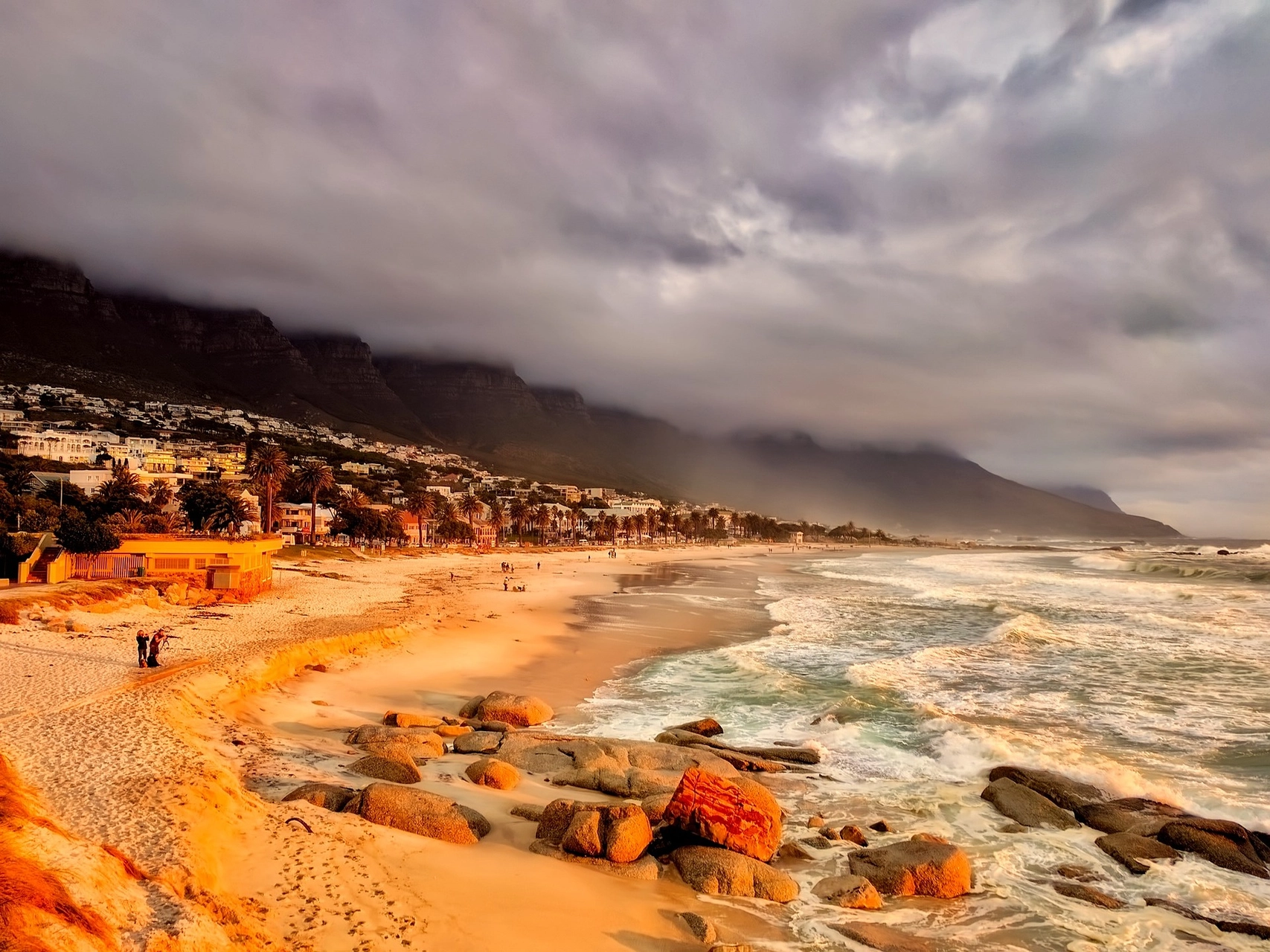
Head to the beaches to soak up the sunshine and take a dip in the refreshing Atlantic Ocean. Clifton Beach and Camps Bay are prime spots but avoid them if the Cape Doctor wind is blowing (afternoons).
Pack a light jacket for walking the Sea Point promenade at sunset when ocean breezes keep things cool. Or enjoy sunsets from the vibrant V&A Waterfront with views of Table Mountain.
Spend a day touring the Cape Winelands wine regions like Stellenbosch, Franschhoek and Constantia. Most wineries remain open in January. Pair tastings with views of the surrounding mountains and vineyards.
Hike or ride the cableway up Table Mountain on clear days for epic 360° views. Lion’s Head and Signal Hill also offer great city panoramas and sunsets.
Dress for warm days but cool nights when exploring top attractions like Robben Island, the colourful Bo Kaap and Kirstenbosch Gardens. And don’t miss experiencing Cape Town’s famous food scene. Just be prepared for summer crowds and rates.
2. Kruger National Park
January falls in peak safari season in South Africa’s northeast when wildlife concentrations climb around waterholes and rivers.
Time your visit just after the first spring rains when animals give birth and vegetation is lush and green. You’ll be rewarded with lots of adorable baby animal sightings!
Kruger National Park offers incredible wildlife diversity with the Big 5, hippos, giraffes, zebras and over 500 species of birds.
Beat daytime heat and humidity by joining early morning and late afternoon game drives when animals are most active. Look for leopards seeking shade in trees during the day.
Pack sun protection, neutral clothing, binoculars and cameras with big zoom lenses. Stop at rest camps for mid-day breaks, meals and swimming pools.
Consider staying in an unfenced camp for extra thrilling wildlife encounters! January’s rain showers add drama to any safari experience. Just watch from indoors when storms hit.
3. Durban & KwaZulu-Natal Coast
KwaZulu-Natal enjoys fabulously warm ocean temperatures in January, averaging around 23°C (73°F), making this the perfect time to soak up Durban’s golden beaches and water sports scene.
Pack your swimsuit to spend days sunbathing, surfing, kayaking or snorkelling around uShaka Marine World. Whale watching is also excellent along the KZN coast right now.
Temperatures stay warm reaching nearly 30°C (86°F) with balmy nights around 21°C (70°F). Humidity is higher so enjoy sea breezes on the beaches and hostels with fans or air-con.
Catch one of the region’s famous sardine run events this month when billions of sardines migrate up the coast, attracting sharks and other marine life. It’s an incredible spectacle to witness!
Nearby Drakensberg Mountains offer a reprieve from the heat with cooler temps for scenic hikes. Or enjoy coastal national parks like iSimangaliso Wetland Park with hippo and croc sightings!
4. Garden Route & Tsitsikamma
January serves up perfect weather to explore the Garden Route’s breathtaking mix of oceans, forests, lakes and mountains.
Spend days at the stunning beaches and nature reserves between Mossel Bay and Storms River Bridge. Soak up ocean views, beach walks and swimming along the Tsitsikamma coast.
Try thrilling adventures like kayaking, scuba diving, zip lining, bungee jumping and more! Whale watching is excellent this time of year.
Hike through ancient forests and marvel at the dramatic Outeniqua and Tsitsikamma Mountains slicing down to the sea.
Temperatures hover in the mid-20s °C (70s °F) with cooler ocean breezes keeping things comfortable. See wild horses run on beaches near Knysna and Plettenberg Bay.
This diverse region enjoys great weather before the busy holiday crowds arrive in December. Enjoy flexibility without crowds.
5. Johannesburg & Highveld
Beat the crowds and chillier temps by visiting Johannesburg and South Africa’s Highveld in January.
Tour top Jo’burg attractions like the Apartheid Museum, Constitution Hill, Cradle of Humankind and Soweto Township, learning about the nation’s complex history.
See wildlife and dramatic landscapes just outside the city in game reserves like Pilanesberg National Park and Lion Park.
Nearby cities like Pretoria and Sun City offer green parks, vibrant markets and entertainment in the sun. Or enjoy urban art, culture and foodie scenes.
Highveld temperatures reach the mid 20s °C (70s °F) with cooler, comfy nights. Thunderstorms occasionally roll through so pack a rain jacket.
Fewer crowds arrive before the school holidays so take advantage of lower rates, especially in late January once peak holiday season ends.
6. Drakensberg Mountains
Dramatic peaks, rock formations and epic hiking trails draw adventurers to the Drakensberg Mountains in summer.
Tackle a multi-day hike through alpine terrain, staying in mountain huts. Or try day hikes to waterfalls like Tugela Falls, one of the tallest in the world.
Pack proper hiking boots, layers and rain gear for the area’s changeable weather. Watch dramatic thunderstorms safely from indoors.
Go horseback riding through the valleys and rolling grasslands or try mountain biking. Rivers and streams fill up, perfect for fly fishing.
Sani Pass, the highest road pass in Africa, links KwaZulu-Natal and Lesotho for awesome road trip pitstops when the border is open.
Or simply relax at places like the Amphitheatre with panoramic mountain views and comfy lodges and pubs.
When to Visit South Africa for the Best Experience
Avoid Early January Holiday Crowds
South African schools take a long summer holiday break from mid-December through early January. This means crowds and prices peak at beach towns, nature reserves and other tourist hot spots over the holidays.
Expect accommodation rates and airfares to be at their highest right at New Years and early January. Roads and airports will also be their busiest during this time.
If you can, opt to visit South Africa in late January once school resumes to take advantage of lower rates, smaller crowds and availability. Or plan a November or February trip to avoid peak summer rates entirely.
What to Pack for South Africa in January
South Africa’s summer weather calls for light, breathable clothing you can layer as needed. Here are some must-have items to pack for a South Africa trip in January:
- Swimsuit – Don’t forget your swimsuit and beach gear to enjoy the warm oceans and pools in January. Bring a rashguard or swim shirt for sun protection while swimming and snorkelling.
- Light dresses and shorts – Pack loose-fitting sundresses, skirts, shorts and breathable shirts and pants. Light linens and cottons work well.
- Windbreaker or light jacket – Useful for the occasional rainstorm and temperature drops, especially at night and when ocean winds pick up.
- Sun hat and sunglasses – Crucial for sun protection during warm, sunny days. Wide-brimmed styles shield the most sun.
- Lightweight raincoat – In case you get caught out in a downpour, it’s good to have a thin raincoat or poncho.
- Sun protection – Pack plenty of high SPF sunscreen (30+ recommended), along with chapstick and lotion. Reapply frequently.
- Insect repellent – Mosquitoes and other bugs thrive in summer. Bring DEET or natural repellents.
- Reusable water bottle – Stay hydrated in the summer sun and heat. Filtered bottles allow you to drink tap water safely.
- Light hikers or athletic shoes – For exploring cities and hiking trails. Break them in before your trip.
- Sandals or flip flops – Perfect for the beach, poolside and wearing around your accommodations.
South Africa Events & Festivals in January
Cape Town Jazz Festival
This popular Cape Town music festival takes place over two days on the first weekend of April at the Cape Town International Convention Centre.
It attracts top international and African jazz artists along with celebrating local talent. Book well in advance for the 40,000 tickets sold.
Sanlam Cape Town Marathon
Taking place on the second Sunday of January since 2007, this marathon welcomes 13,000 runners wanting to take in Cape Town’s stunning scenery along the route. The marathon starts and ends at the Green Point Cricket Stadium.
Find a spot to cheer on runners along this iconic seaside course with views of Table Mountain, Signal Hill, and the Atlantic Ocean. Runners from over 60 countries take part.
Up the Creek Music Festival
Head to the Breede River near Swellendam in the Western Cape over a long weekend in late January for this beloved music and camping festival.
Dance, camp and tube down the river while grooving to top South African artists and bands on multiple stages in a stunning natural setting. Limited tickets sell out fast.
J&B Met Horse Race
Durban in KwaZulu-Natal hosts South Africa’s most prestigious horse race each January or February at Greyville Racecourse.
Expect extravagant outfits and hats at this social highlight of the Durban events calendar, along with betting on top thoroughbreds.
Matata Water Polo International
This annual water polo tournament takes place at Rhodes University’s pool complex in Grahamstown (Makhanda) during the last week of January.
High school athletes from South Africa and beyond compete over several days. Cheer on the next generation of water polo stars!
Frequently Asked Questions About Visiting South Africa in January
Is January a good time to visit South Africa?
Yes, January is an excellent time to visit South Africa since its summertime brings sunny, dry weather perfect for wildlife viewing, beach days, hiking, and other outdoor activities.
The only downside is peak holiday crowds and rates in early January. But visiting in late January provides warmer weather with fewer tourists and lower prices once the holidays end.
What is the weather like in South Africa in January?
January falls in the peak of South Africa’s summer so you can expect hot, sunny weather ideal for enjoying the country’s beautiful beaches and scenic outdoor areas.
Inland cities like Johannesburg reach the high 20s °C (80s °F) while Cape Town averages highs around 27°C (81°F). Kruger Park sees temperatures above 30°C (86°F). Nights stay balmy.
South Africa’s rainy season runs from October to April so some rainfall occurs, usually in the form of afternoon thunderstorms that pass quickly.
How hot does it get in Cape Town in January?
Cape Town experiences peak summertime heat in January with average maximum temperatures around 27°C (81°F) and nighttime lows rarely dipping below 15°C (59°F). However, it rarely feels too hot thanks to the region’s oceanic climate and cooling sea breezes.
What is the water temperature in South Africa in January?
Ocean temperatures peak in January, reaching around 21-23°C (70-73°F) along South Africa’s southern and eastern coastlines.
The warmer Indian Ocean keeps KwaZulu-Natal the warmest around 23°C (73°F) while the Atlantic Ocean brings slightly cooler waters around 21°C (70°F) to Cape Town and the Garden Route. Still very swimmable!
Is January rainy season in South Africa?
South Africa’s rainy season spans October to April so January falls right in the middle. However, it’s still largely sunny and dry overall in January. Most rainfall occurs as occasional afternoon thunderstorms that pass within a few hours. Cape Town only averages 7 rainy days the entire month.
What is there to do in South Africa in January?
January offers an abundance of things to do in South Africa’s sunny summer weather like:
- Relaxing on beautiful beaches and swimming/surfing in the warm ocean
- Hiking through scenic mountain, forest and coastal trails
- Spotting incredible wildlife on a safari in Kruger National Park or Sabi Sands
- Sipping on wine and eating at restaurants in Cape Town and the Winelands
- Exploring top attractions in lively cities like Johannesburg, Durban and Cape Town
- Joining summer music and cultural festivals
- Trying adrenaline adventures like shark cage diving, bungee jumping and more
Is it safe to travel to South Africa in January?
Yes, South Africa is safe to travel to in January provided you use basic safety precautions as you would anywhere. Peak holiday season can see an increase in petty theft like pick pocketing, so keep valuables secure. Use Uber vs unmarked taxis. Avoid deserted areas at night solo. But thousands enjoy safe travels across South Africa each January.
Start Planning Your January South Africa Getaway
I hope this guide gives you all the important weather and travel tips you need to plan an epic South Africa itinerary for January 2023.
You really can’t go wrong visiting South Africa during the peak of its sunny summer season.
Just be ready for typical tropical weather patterns like hot temperatures and occasional rain showers while packing suitable clothing. Then get out there and enjoy everything this incredible country has to offer!
To experience South Africa’s gorgeous beaches, scenic natural beauty, and incredible wildlife without massive crowds, late January is my top recommendation.
Add activities like Cape Town’s food and wine scene, dramatic Drakensberg hikes, and thrilling safaris at Kruger National Park or Sabi Sands to round out an amazing January escape.
Wherever your South African travels take you, safe travels! Let me know if you have any other South Africa trip questions.
